Feeling stuffy at home can be uncomfortable and unhealthy. To reduce stuffiness in your home, ensure proper ventilation, use dehumidifiers, keep your home clean, and install an effective air conditioning system. These steps will improve airflow, remove excess moisture, and enhance overall air quality.
This article will explore several effective methods to reduce stuffiness in your home, covering practical steps and explaining how installing air conditioning can make a significant difference. By following these guidelines, you can create a more comfortable and healthier living environment.
Improve Ventilation
Proper ventilation is key to reducing stuffiness in your home. Open windows and doors whenever possible to allow fresh air to circulate. Use exhaust fans in kitchens and bathrooms to remove stale air and moisture. Consider installing window vents or trickle vents to provide continuous airflow even when windows are closed.
Use Dehumidifiers
High humidity levels can make your home feel stuffy. Dehumidifiers help by removing excess moisture from the air, making it easier to breathe. Place dehumidifiers in areas prone to dampness, such as basements and bathrooms. Regularly empty and clean the dehumidifier to maintain its efficiency.
Keep Your Home Clean
Dust, dirt, and allergens can contribute to stuffiness. Regular cleaning helps to reduce these pollutants. Vacuum carpets, rugs, and upholstery frequently. Dust surfaces with a damp cloth to prevent particles from becoming airborne. Wash bedding and curtains regularly to eliminate dust mites and allergens.
Regular HVAC Maintenance
Heating, ventilation, and air conditioning (HVAC) systems need regular maintenance to function effectively. Change air filters every 1-3 months to ensure they can trap dust and allergens. Schedule annual professional maintenance to check for any issues and ensure the system is running efficiently.
Install Air Conditioning
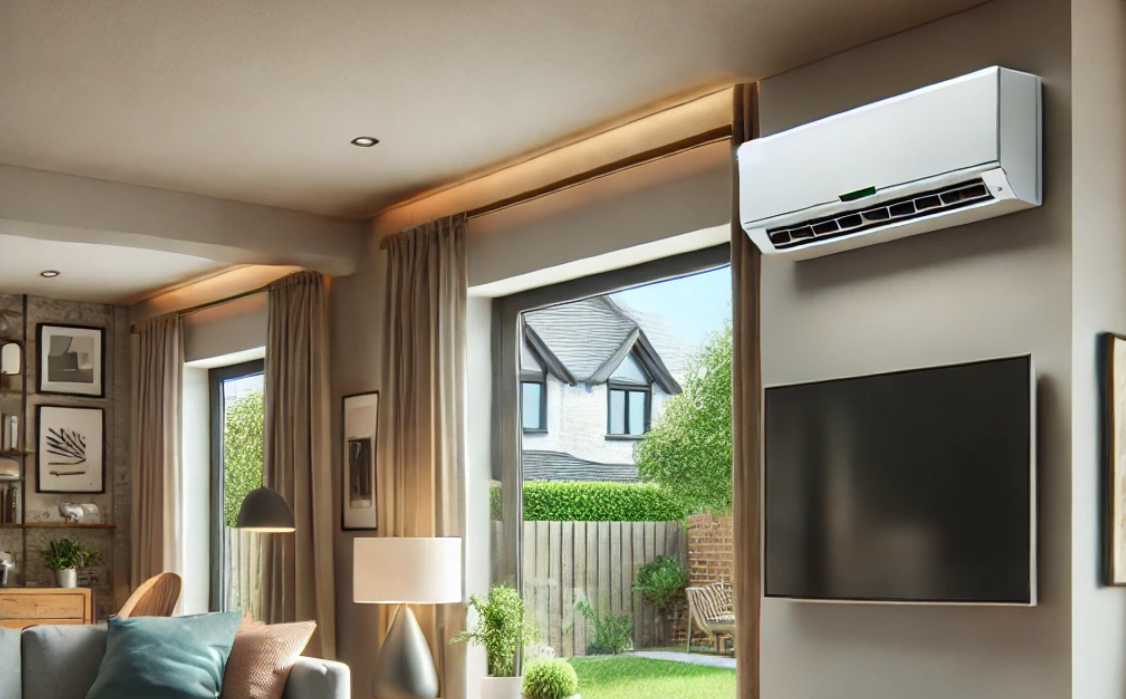
Installing an air conditioning system is one of the most effective ways to reduce stuffiness. Air conditioners not only cool the air but also remove humidity, making your home more comfortable. Modern air conditioning systems come with features that improve air quality, such as air purifiers and humidity controls.
Benefits of Air Conditioning Installations
- Improved Air Quality: Air conditioning systems filter out pollutants and allergens.
- Humidity Control: Reduces moisture levels, preventing mould and mildew growth.
- Consistent Temperature: Maintains a comfortable indoor temperature year-round.
If you’re looking to reduce stuffiness in your home, contact BeeSmartGroup for expert air conditioning installations. Visit BeeSmartGroup to learn more and get in touch with us through our online contact form.
Incorporate Indoor Plants
Indoor plants can improve air quality by absorbing pollutants and releasing oxygen. Plants like spider plants, peace lilies, and snake plants are particularly effective. Place plants in different rooms to help keep the air fresh and reduce stuffiness.
Opt for Breathable Fabrics
Heavy, non-breathable fabrics can trap heat and moisture. Choose lightweight, breathable materials for curtains, bedding, and upholstery. Natural fibres like cotton and linen allow better air circulation and can help reduce stuffiness.
Rearrange Furniture
Furniture can block airflow and contribute to stuffiness. Arrange furniture to allow for better air circulation. Avoid placing large pieces in front of vents or windows. Ensuring an open and airy layout can enhance ventilation and make your home feel less stuffy.
Regularly Open Interior Doors
Keeping interior doors open allows air to flow freely throughout your home. This helps distribute conditioned air more evenly and prevents certain areas from becoming stuffy. If privacy is a concern, use doorstops to keep doors slightly ajar to maintain airflow.
Use Scented Candles or Air Fresheners Sparingly
While scented candles and air fresheners can make your home smell pleasant, they can also release pollutants that contribute to stuffiness. Use these products sparingly and opt for natural alternatives like essential oils or potpourri.
BeeSmartGroup: Air Conditioning Installations
BeeSmartGroup specialises in air conditioning installations that can significantly reduce stuffiness in your home. Our expert team offers tailored solutions to improve indoor air quality and ensure a comfortable living environment. Whether you need a new system installed or maintenance for an existing one, we are here to help. Visit BeeSmartGroup to learn more and contact us through our online form.
FAQs
1. What causes stuffiness in a home? Stuffiness can be caused by poor ventilation, high humidity, accumulation of dust and allergens, and inadequate air circulation.
2. How can I tell if my home has poor air quality? Signs of poor air quality include persistent odours, dust buildup, and respiratory issues among occupants. An indoor air quality monitor can provide more precise information.
3. Can indoor plants really improve air quality? Yes, certain indoor plants can absorb pollutants and release oxygen, helping to improve indoor air quality and reduce stuffiness.
4. How often should I change my HVAC air filters? It’s recommended to change HVAC air filters every 1-3 months, depending on usage and the presence of pets or allergies.
5. Are air purifiers worth the investment? Air purifiers can be beneficial for improving indoor air quality, especially for individuals with allergies or respiratory conditions.