

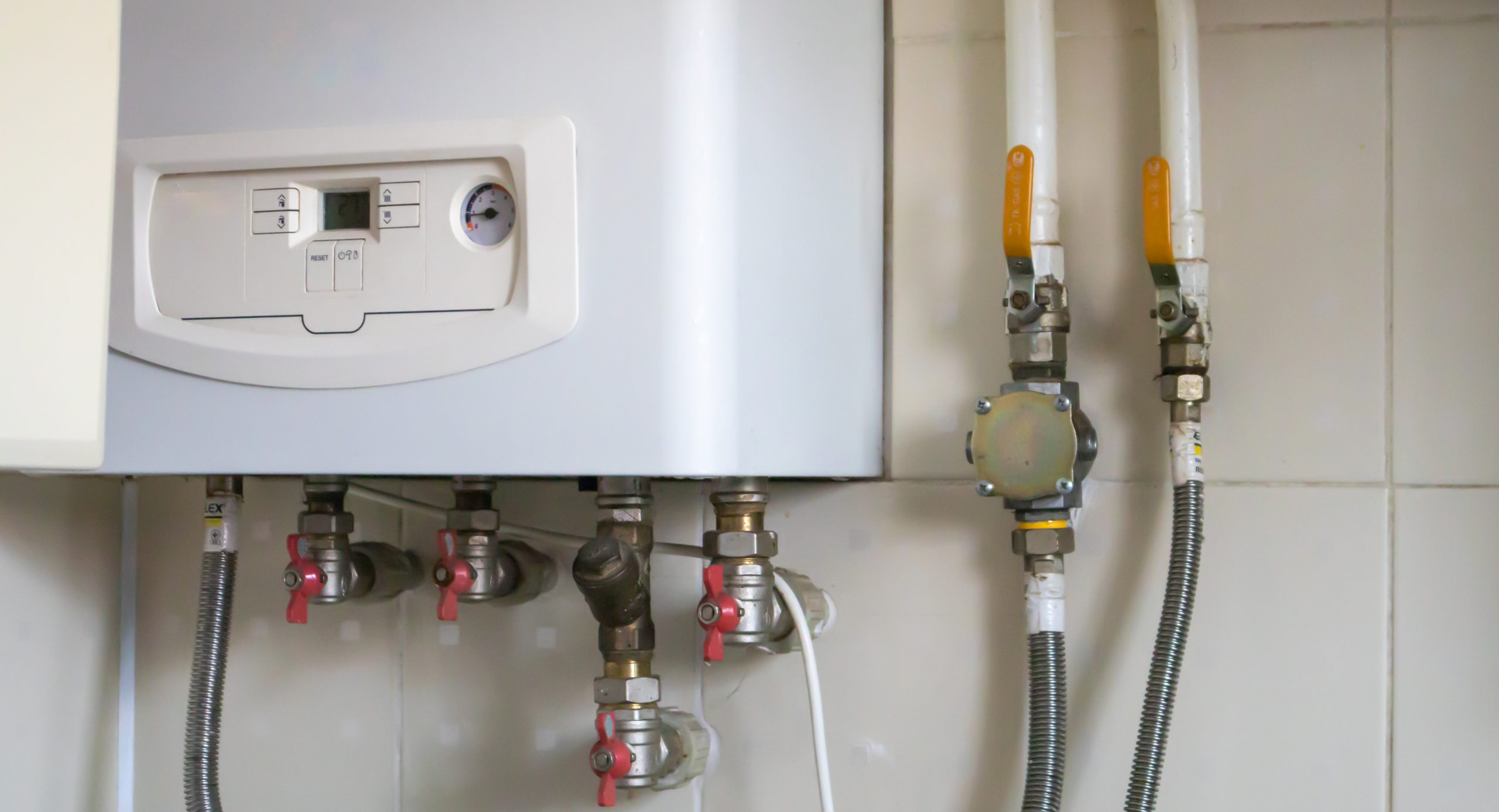
Let’s be honest, when that central heating packs in during a chilly UK winter, it can leave you feeling more like a snowman than a satisfied homeowner. If your boiler displays a mysterious “F1” error code, it can be even more confusing. Fear not, we are here to crack the code, get your heating back up and running, and leave you feeling toasty in no time.
F1: Decoded!
On many boilers, particularly Ideal Logic Combi boilers, an “F1” code signifies one key culprit: low water pressure. Your boiler relies on water pressure to circulate hot water throughout your radiators, keeping your home feeling like a warm hug. When the pressure dips too low, the boiler throws up the F1 flag and shuts down as a safety precaution. It’s like a clever little precaution, preventing potential damage if the water flow gets funky.
Why Does My Boiler Pressure Drop?
There are a couple of reasons why your boiler might be experiencing a pressure problem:
- Leak Alert! A leak in the system, somewhere in the pipes or the boiler itself, can cause water to escape, leading to a pressure drop. Think of it like a punctured bicycle tyre – the air (or in this case, water) slowly escapes.
- Just Needing a Top-Up: Over time, the water pressure in your boiler system can naturally decrease. It’s a bit like a car tyre – it might need a top-up now and again. This isn’t necessarily a sign of a problem, but it’s good to be aware of.
Fixing the F1: A Step-by-Step Guide
Before you reach for the toolbox and risk turning into a DIY disaster, here’s a quick guide to tackling the F1 error safely and effectively:
- Check the Pressure Gauge: Most boilers have a pressure gauge, usually a circular dial near the bottom of the unit. It’ll typically display a range between 1 and 4 bar (or 100kPa and 400kPa). Ideally, the needle should be in the green zone between 1 and 2 bar. Imagine it like a speedometer for your boiler’s water flow.
- Top-Up Time (if safe to do so): If the pressure is low (in the red zone), some boilers have a filling loop to add water. Consult your boiler manual for specific instructions, but generally, it involves isolating the system and carefully using the filling loop to increase the pressure until it reaches the green zone. Important Note: Never tamper with the boiler if you’re unsure or uncomfortable. Safety first! If in doubt, call a qualified engineer.
- Leak Detection: If topping up doesn’t solve the problem, or you suspect a leak, it’s time to call in the cavalry! A Gas Safe registered engineer is your best bet. They’re like the knights in shining armour of the boiler world, equipped with the knowledge and tools to identify the source of the leak and fix it safely.
Bonus Tip: While you’re at it, get your engineer to check the boiler’s pressure relief valve (PRV) as well. This safety feature releases excess pressure if it builds up too high, and it’s important to ensure it’s functioning correctly. Think of it like a safety valve – it helps prevent your boiler from turning into a teapot!
F1 on a Different Boiler Brand?
While F1 often indicates low pressure on Ideal boilers, error codes can vary by brand. If you have a boiler from a different manufacturer, don’t panic! Consult your user manual to find the specific meaning of the F1 code. It’s like deciphering a secret message – your boiler manual holds the key.
Keeping Your Boiler Happy: Top Tips
Here are some handy hints to keep your boiler in tip-top shape and avoid future F1 frustrations:
- Regular Servicing: Get your boiler serviced annually by a Gas Safe registered engineer. They’ll check for any potential problems, clean it up like a spring clean, and ensure your boiler is running efficiently. Think of it as a yearly health check for your boiler.
- Pressure Check: Every now and then, take a peek at your boiler’s pressure gauge. A slight dip is normal, but a significant drop could indicate a leak. It’s like keeping an eye on your car’s tyre pressure – a quick check can prevent bigger issues.
- Bleeding the Radiators: Air trapped in your radiators can affect boiler performance. “Bleeding” the radiators (releasing the trapped air) can help your system run smoothly. Imagine it like getting rid of little air bubbles that might be causing blockages.
Other Boiler Error Codes
While the F1 code is a common culprit, boilers can display other error messages. Here are a few examples:
- E117: This could indicate an ignition fault. The boiler might not be able to light properly.
- L8: This could mean there’s a problem with the thermostat or temperature sensor. Your boiler might not be reaching the desired temperature.
- HW Fault: This generally points towards an issue with the hot water system.
Remember: If you encounter an error code you’re unsure about, don’t try to be a hero. Consult your boiler manual or, better yet, call a Gas Safe registered engineer. They’re the experts and can diagnose the problem quickly and safely.
Are you tired of battling the heat in summer or shivering through chilly winters? It’s time to take control of your indoor climate with Bee Smart Cooling!
Our expert team specialises in top-notch boiler installations and air conditioning installation to keep your home cosy all year round. Whether you’re looking to replace an old, inefficient system or want to upgrade to the latest energy-efficient technology, we’ve got you covered.


