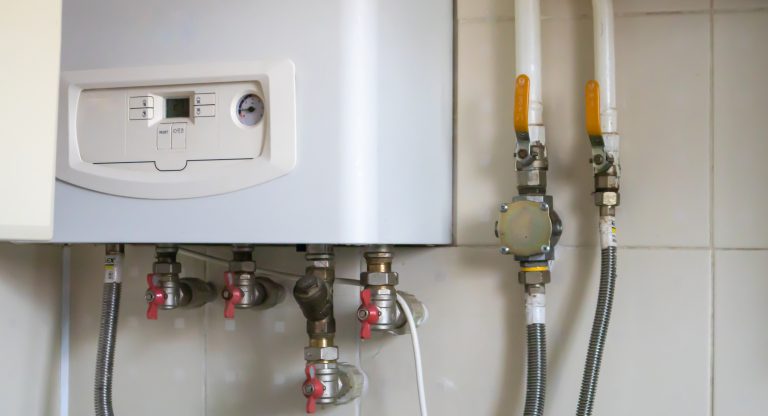
Electric boilers are becoming an increasingly popular choice for UK households, offering an efficient and environmentally friendly alternative to traditional gas or oil boilers. As more homeowners consider making the switch, a common question arises: do electric boilers need servicing? In this blog, we will explore what an electric boiler is, how often they should be serviced, and what a typical service involves.
What is an Electric Boiler?
An electric boiler uses electricity to heat water for central heating and hot water needs. Unlike gas boilers, which burn fossil fuels, electric boilers are powered solely by electricity, making them a cleaner option with no direct emissions. They are often more compact and easier to install, as they do not require a flue or gas supply.
Electric boilers come in various sizes and capacities to suit different household needs. They can be used in conjunction with other heating systems, such as underfloor heating or traditional radiators, and are particularly well-suited for homes that are not connected to the gas grid or those looking to reduce their carbon footprint.
How Often Should Electric Boilers Be Serviced?
While electric boilers generally require less maintenance than their gas or oil counterparts, they still benefit from regular servicing to ensure optimal performance and longevity. The recommended frequency for servicing an electric boiler is typically once a year, similar to gas boilers. Regular servicing helps to identify any potential issues early, ensuring the boiler continues to operate efficiently and safely.
What Does an Electric Boiler Service Look Like?
An electric boiler service involves a thorough inspection and testing of the boiler’s components to ensure everything is functioning correctly. Although the specifics may vary depending on the make and model of the boiler, a typical service will include the following steps:
Visual Inspection: The gas safe engineer will start by visually inspecting the boiler and its surroundings. This includes checking for any signs of wear and tear, leaks, or corrosion. The engineer will also ensure that the installation complies with current regulations and safety standards.
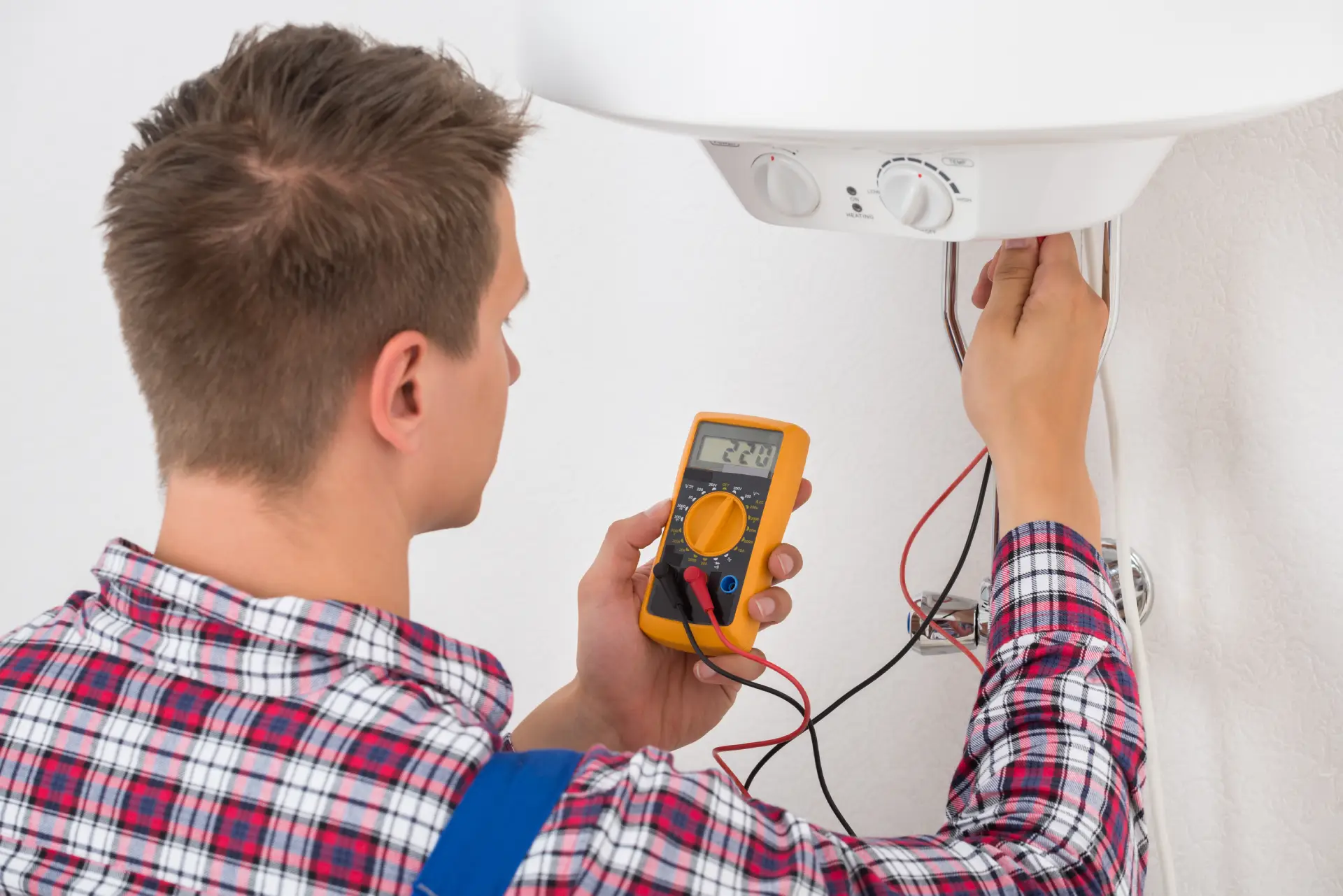
Electrical Checks: Since electric boilers rely on electrical components, the engineer will perform a series of electrical tests. These tests ensure that all connections are secure, and there are no faults in the wiring or control systems. The engineer will also check the fuse and circuit breaker to ensure they are functioning correctly.
Component Testing: Key components of the boiler, such as the heating elements, thermostat, and pressure relief valve, will be tested to ensure they are working correctly. The engineer will also check the expansion vessel and any other ancillary equipment to ensure they are in good condition.
Cleaning: Over time, dust and debris can accumulate inside the boiler, potentially affecting its performance. The engineer will clean the interior components, such as the heat exchanger and fan, to ensure they are free from obstructions and operating efficiently.
Performance Testing: Once the inspection and cleaning are complete, the engineer will test the boiler’s performance to ensure it is heating water efficiently and maintaining the correct temperature. This may involve running the boiler for a short period and checking the temperature and pressure readings.
Reporting: After completing the service, the engineer will provide a detailed report outlining the work carried out, any issues identified, and recommendations for any necessary repairs or further maintenance. This report serves as a record of the service and can be useful for warranty purposes or if you decide to sell your home.
Why Regular Servicing is Important
Regular servicing of an electric boiler is essential for several reasons:
Efficiency: Over time, boilers can become less efficient due to wear and tear or the build-up of debris. Regular servicing ensures that your boiler continues to operate at peak efficiency, helping to reduce energy consumption and lower your utility bills.
Safety: Although electric boilers do not produce carbon monoxide or other harmful gases, they still involve electrical components that can pose safety risks if not properly maintained. Regular servicing helps to identify and address any potential safety issues before they become serious problems.
Longevity: Like any appliance, regular maintenance can extend the lifespan of your electric boiler. By addressing minor issues before they escalate, you can avoid costly repairs or premature replacement.
Warranty Compliance: Many boiler manufacturers require regular servicing as a condition of their warranty. By keeping up with annual services, you can ensure that your warranty remains valid, providing peace of mind and financial protection in case of any issues.
Conclusion
In conclusion, while electric boilers may require less maintenance than gas or oil boilers, they still benefit from regular servicing. An annual service helps to ensure that your boiler operates efficiently, safely, and reliably, extending its lifespan and potentially saving you money on energy bills and repairs.
If you own an electric boiler, it’s essential to schedule regular servicing with a qualified engineer to keep it in top condition. By doing so, you can enjoy the many benefits of an electric boiler, including lower emissions, reduced energy consumption, and reliable heating and hot water for your home.
Remember, regular maintenance is key to ensuring the longevity and performance of your electric boiler. Don’t overlook this important aspect of homeownership – book your boiler service today and enjoy peace of mind knowing that your heating system is in excellent hands.
Are you tired of battling the heat in summer or shivering through chilly winters? It’s time to take control of your indoor climate with Bee Smart Cooling!
Our expert team specialises in top-notch boiler installations and air conditioning installation to keep your home cosy all year round. Whether you’re looking to replace an old, inefficient system or want to upgrade to the latest energy-efficient technology, we’ve got you covered.